Congratulations to Dr. Greg Keefe on this appointment. It’s an idea well over due on PEI. Let’s hope this report doesn’t join all the others gathering dust on shelves.
Farmland fight drives new PEI trust proposal
Recommendations will focus on keeping land in agriculture, supporting young farmers, succession planning, environment
Bill McGuire
The architect behind Prince Edward Island’s proposed farmland trust says the province now has a rare opportunity to build a practical, made-in-PEI system aimed at protecting agricultural land while helping the next generation of farmers gain access to increasingly expensive farmland.
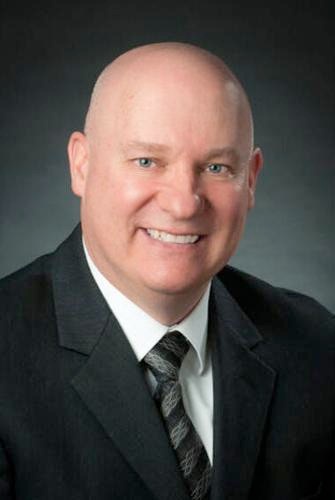
Dr. Greg Keefe, the former interim president of the University of Prince Edward Island, and dean of the Atlantic Veterinary College from 2015-2021, has been tasked by the provincial Department of Agriculture with developing recommendations for a new farmland trust framework expected to form a major pillar of the province’s long-term land strategy.
In an interview with the Island Farmer on May 5, Keefe said his work is being guided by four broad objectives: keeping agricultural land in productive use, improving land access for young and new farmers, helping retiring farmers with succession planning, and ensuring any new system aligns with sustainable environmental farm management practices.
“Those are kind of the guardrails that I have for the process,” said Keefe.
The work comes at a time when farmland values continue climbing sharply across Canada and concerns grow over the long-term availability of agricultural land for future generations.
Keefe acknowledged many farmers view land as both a production asset and a retirement investment, making the issue highly sensitive.
“I think there is a sense that farmers have built up equity within their land and retiring farmers have to receive some value for that,” he said. “But there also is an overarching public good here, and that is keeping land in agriculture.”
While details of the final structure remain undecided, Keefe said he has been given considerable freedom by the government to explore different models and recommend what may work best for PEI.
“I haven’t been given strict marching orders with respect to how this should look,” he said. “I’m looking at farmland trust models throughout Canada and in other places.”
That research has already included meetings with the Ontario Farmland Trust, the Nova Scotia Farmland Trust Society, and PEI’s own Lucy Maud Montgomery Land Trust. Keefe said he is also reviewing decades of previous PEI land-use reports and recommendations, including the 2009 (Ralph) Thompson report and later land-use planning work.
“There’s been some great work done, so I’ve tried to review all that work,” he said.
Keefe said his recommendations are expected to go to government by midsummer, followed by additional internal consultation before a final report is completed later in the summer.
“This is a really complex question,” he said. “I’m trying to gather all the information and make my recommendations as practical as I can.”
Although farmland trusts and land banks have been discussed on PEI for years, Keefe said he believes momentum now exists to move beyond discussion.
“I go into this with an expectation that if I come back with a process that is manageable and practical for the province to implement, then it would move forward,” he said.
Support for some form of farmland trust has also emerged from within the agriculture industry itself. Keefe noted resolutions supporting the concept have already been endorsed by both the PEI Federation of Agriculture and PEI Young Farmers.
“I think there is support within the ag community for this process,” he said.
One of the major challenges facing agriculture, Keefe added, is the widening gap between farmland values and the income-producing ability of the land itself.
According to recent Farm Credit Canada data, farmland values continue rising across PEI and the rest of Canada, with farmland significantly outperforming inflation over the long term.
“If you look at the value of farmland versus inflation, farmland has outpaced inflation in Canada 30 of the last 36 years,” said Keefe. “So, it’s a good investment as an agricultural resource, but as we know, farmers struggle with getting operating value from the land.”
He said that reality makes it increasingly difficult for younger producers to purchase land outright.
“The revenue-generating capacity of the land is not supporting the purchase of new land always,” he said.
Keefe said the proposed trust could eventually include a range of options, including leasing arrangements, land donations with tax incentives, or government-supported purchase structures.
“I’ll be making recommendations that encompass all of those potentials,” he said.
He stressed, however, that any final system must work within the province’s financial realities.
“I’m well aware that there are limits on the reach of government with respect to budget,” he said. “So I’m trying to be innovative in how I would propose that this would work.”
Keefe also pointed to PEI’s relatively strong land ownership legislation compared to many other provinces.
“PEI’s land ownership legislation is among the strongest in the country,” he said, noting Ontario, Quebec and British Columbia also offer examples of strong farmland protection systems.
Beyond ownership rules, however, Keefe said the larger issue is ensuring farmland remains actively farmed and accessible to future generations.
“We’ve got a lot of history in PEI with land-use issues going back to colonial times,” he said. “I think there’s lots of room for a good program that government could manage that would support keeping agricultural land in productive agricultural use.”
Keefe said consultation meetings with commodity groups and industry organizations are now underway and will continue over the coming weeks before drafting begins.
“I am doing this independently,” he said. “I will make my recommendations, and they are going to be my recommendations.”