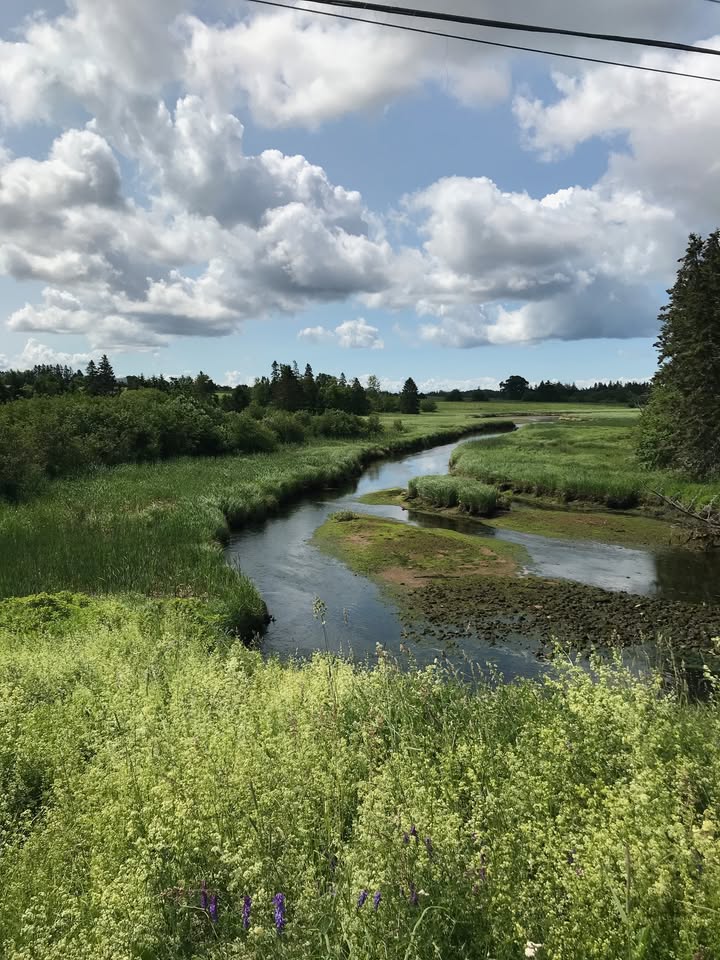
Informative and much needed feedback from Catherine O’Brien today about the proposed changes to the Wetland Protection Policy in PEI. Catherine is Chair of the Coalition for the Protection of PEI Water. Please help us spread the word by sharing this post. Thanks!
Wetland Protection Policy amendments prioritize development over
environmental protection.
The Coalition for the Protection of PEI Water has some concerns regarding the new
proposed changes to the Wetland Protection Policy.
There were some excellent recommendations for the wetland policy changes put
forward to the government in the fall of 2025, including recommendations from the
Island Nature Trust and the Watershed Alliance.
Those recommendations have not been addressed or implemented.
Instead, we see a weak amendment in an already weak policy. The wording is vague
and open for interpretation, and therefore the policy is open for abuse and
misinterpretation.
We need clear definitions on terms like “unavoidable wetland impacts” or “minor wetland
impacts.” How is this to be determined and by whom? In the current mapping is there a
list of ‘minor’ wetlands? If this is determined on a case-by-case basis, it is once again
open for interpretation and/or abuse and may risk delays and appeals if the decisions
are questioned or criticized.
There is nothing there that shows clear language on what is considered for the “greater
public interest.” We have seen loose interpretations of that term and would hope this
would be a priority for this government to fix.
The compensation “options” for restoration or replacement and the price per acre are
not taking into account the years of carbon sequestration lost, the loss of habitat and
diversity and the number of years it will take for any wetland to be restored. In fact,
many restoration and replacement efforts fail. These compensation methods are listed
as optional, including the option of the money going to a fund. The wording does seem
like we are moving away from protection to commodification. Where is the fund being
used and who is managing it? How does that achieve No Net Loss? Note that some
jurisdictions are moving away from a NNL policy to a Net Positive or Net Gain because
NNL is not being achieved. The methods set out to achieve no net loss policies around
the world, including habitat banks, have been criticized as a way of commodifying
wildlife and prioritising profit over ecological benefits.
It was recently mentioned on Radio-Canada that since 2007 (when the wetland
protection policy was implemented), we have lost 15% of our wetlands. It seems we
cannot protect our wetlands with the current policy and regulations. Is this amendment
supposed to protect wetlands or make it easier for development?
We do not see how this government is achieving greater clarity and transparency with
these amendments.
Developments are continuing without proper site assessments because the developer
did not contact the department, or they did not wait for an assessment. We know that
the department has had this happen many times and wetlands are the victims. The
mapping is important and so is education, but we feel that stronger enforcement of the
existing regulations is needed.
We also recommend more funding go towards staffing in the Environment department
so that site assessments can be made quickly and so that they can stop more wetland
destruction before it is too late.
Catherine O’Brien
Chair, The Coalition for the Protection of PEI Water